
Nepal sits at a unique crossroads in global trade. Landlocked between two of the world’s largest economies, the country depends entirely on its neighbors for sea access, and every shipment that leaves or enters Nepal must first cross a border, a port, or both. For freight forwarders working out of Kathmandu, this geography shapes everything…
The Cooperative blog
Month: June 2026
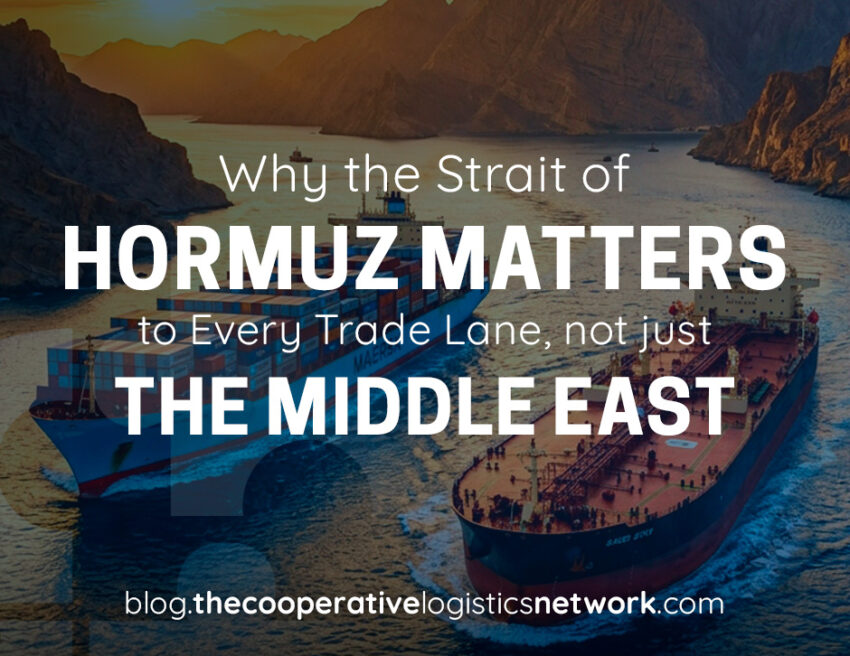
Why the Strait of Hormuz Matters to Every Trade Lane, Not Just the Middle East
A freight forwarder moving electronics from Shenzhen to Rotterdam has no cargo passing anywhere near the Persian Gulf. Yet since early 2026, that forwarder has likely watched freight rates climb anyway. This is the part of the Strait of Hormuz story that surprises people outside the industry: a closure in one narrow waterway between Iran…
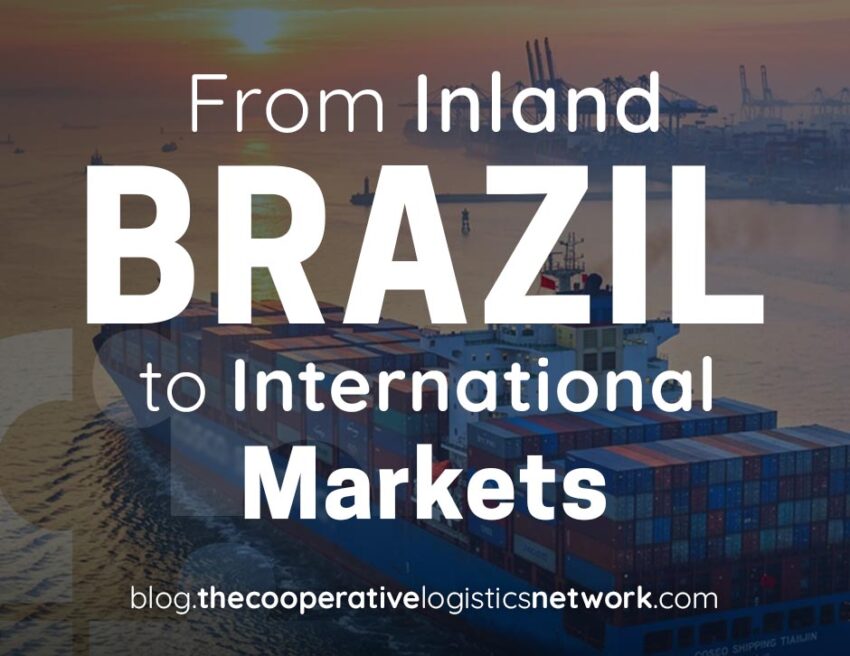
From Inland Brazil to International Markets: The Rising Importance of Belo Horizonte
Brazil’s international trade is often associated with bustling coastal ports like Santos and Rio de Janeiro. Yet, some of the country’s most important cargo movements begin hundreds of kilometers inland, where manufacturing, mining, agribusiness, and industrial production drive the national economy. At the heart of this ecosystem lies Belo Horizonte logistics, a dynamic network of…
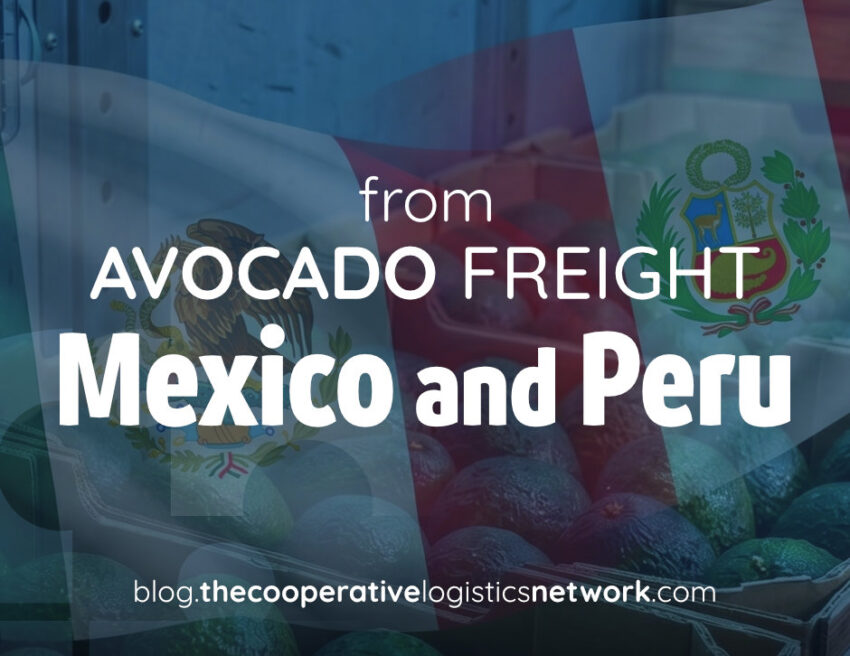
Avocado Freight from Mexico and Peru: The Cold Chain Behind the Boom
There is a reasonable chance that the avocado on your toast this morning travelled over 10,000 kilometres to get there. It was harvested by hand in the highlands of Michoacán or the valleys of La Libertad, packed into a crate within hours, slid into a refrigerated container, and moved through a logistics chain so precisely…
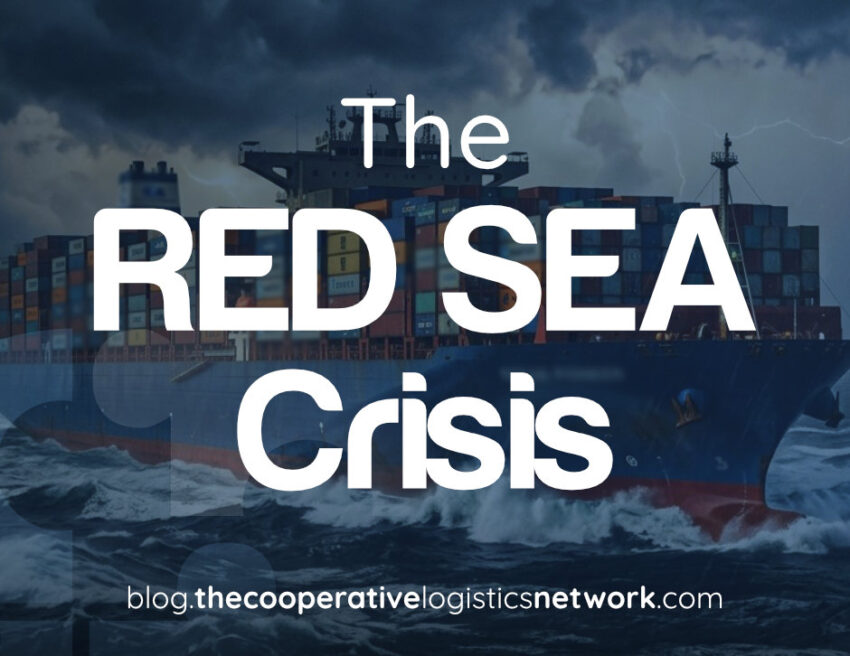
The Red Sea Crisis: Two Years On: What the Red Sea Shipping Disruption 2026 Has Taught Freight Forwarders
In late 2023, the news came in fast. Houthi rebels in Yemen were targeting commercial vessels in the Red Sea. Carriers were rerouting. Rates were climbing. The industry held its breath and waited for it to blow over. Two and a half years later, the Red Sea shipping disruption 2026 is no longer a crisis…
The New Silk Roads: Why the India Middle East Europe Corridor Are the Lanes to Watch
There’s a conversation happening in boardrooms, port authorities, and government ministries across three continents. It’s about a trade route that doesn’t fully exist yet but is already reshaping how freight forwarders think about the future. The India Middle East Europe corridor, known as IMEC, is one of the most ambitious logistics infrastructure projects of our…
Tanzania Logistics: How Dar es Salaam Connects Six Landlocked African Markets
For many international freight forwarders, Tanzania is often viewed simply as a destination market in East Africa. In reality, the country plays a much larger role in regional trade. Thanks to its strategic location, extensive transport corridors, and access to the Indian Ocean, Tanzania logistics has become a critical link connecting several landlocked economies to…
Data Ownership in Supply Chains: Who Controls the Information That Moves Global Trade?
A shipment leaves a factory in Shenzhen destined for a retailer in Rotterdam. As it moves through the supply chain, hundreds of digital records are generated. The shipper uploads booking details to a logistics platform. The freight forwarder enters operational data into a transportation management system. The carrier records transit milestones. Customs authorities process declarations….
What Makes the Port of Sudan a Gateway for East African Trade
The logistics landscape in Northeast Africa has undergone major changes over the last few years, yet one thing remains clear: Port Sudan continues to hold enormous strategic importance for regional and international commerce. For companies involved in freight forwarding in Sudan, the port remains a critical link connecting African markets with the Middle East, Asia,…