

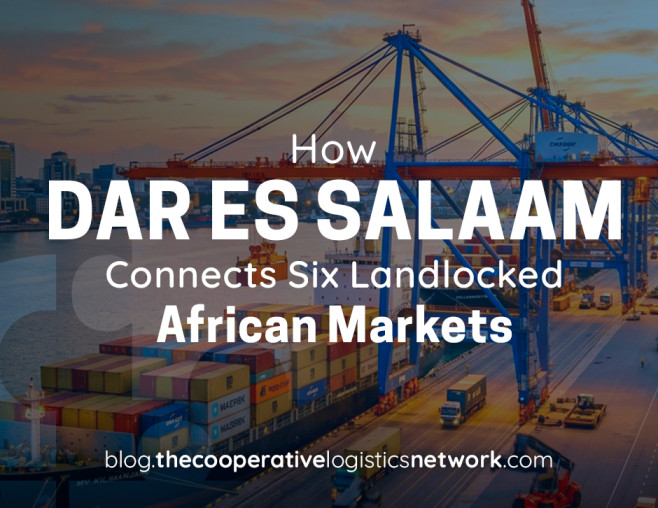
For many international freight forwarders, Tanzania is often viewed simply as a destination market in East Africa. In reality, the country plays a much larger role in regional trade. Thanks to its strategic location, extensive transport corridors, and access to the Indian Ocean, Tanzania logistics has become a critical link connecting several landlocked economies to global supply chains. At the heart of this network lies the Port of Dar es Salaam, one of East Africa’s busiest maritime gateways. Every year, millions of tonnes of cargo move through the port before continuing their journey to countries such as Zambia, Rwanda, Burundi, Uganda, Malawi, and the Democratic Republic of Congo (DRC). For businesses operating in these markets, Tanzania serves as far more than a transit point. It is a gateway to international trade. As regional economies continue to grow and cross-border commerce expands, understanding Tanzania’s role in East African logistics has become increasingly important for freight forwarders and shippers worldwide.
Why Tanzania Logistics Matters to Regional Trade
Geography has always been one of Tanzania’s greatest advantages. Positioned along the Indian Ocean and bordering eight countries, Tanzania serves as a natural bridge between international shipping routes and some of Africa’s fastest-growing inland markets. Many of the countries that depend on Tanzania’s transport infrastructure are landlocked, meaning they have no direct access to seaports. As a result, efficient cargo transportation through Tanzania is essential for supporting imports, exports, industrial development, and economic growth throughout the region. Over the years, significant investments in road infrastructure, rail networks, customs modernization, and trade facilitation have strengthened the country’s position as a leading player in East Africa logistics. Today, Tanzania’s transport corridors are helping businesses reach markets that would otherwise face significant logistical challenges.
The Port of Dar es Salaam: East Africa’s Gateway to the Interior
The Port of Dar es Salaam serves as the primary entry and exit point for cargo moving between international markets and much of East and Central Africa. Unlike ports that primarily serve their domestic economies, Dar es Salaam handles substantial volumes of transit cargo destined for neighbouring countries. Containerized freight, project cargo, industrial machinery, agricultural products, consumer goods, and construction materials all pass through the port before continuing inland. One of the port’s key strengths is its location. Positioned along major shipping routes connecting Africa with Asia, Europe, and the Middle East, it provides convenient access for international carriers while offering direct connections to regional transport networks. For freight forwarding Tanzania specialists, the port represents the starting point of a much broader logistics ecosystem that extends hundreds and sometimes thousands of kilometres beyond the coast.
Connecting Zambia Through the Central Corridor
Zambia remains one of the most important transit markets served through Tanzania. As a major producer of copper and other minerals, Zambia relies heavily on efficient logistics networks for both imports and exports. Cargo arriving at Dar es Salaam can be transported through Tanzania’s road and rail infrastructure before reaching key commercial centres in Zambia. The connection is particularly important for mining operations, industrial projects, and manufacturing activities that depend on reliable access to international suppliers. For many shippers, the route through Tanzania offers a practical and competitive alternative to other regional gateways.
Supporting Rwanda and Burundi
Rwanda and Burundi have become increasingly important destinations for transit cargo Tanzania operations. Both countries have experienced sustained economic growth and growing demand for imported consumer products, construction materials, machinery, and industrial equipment. The Central Corridor, which links Dar es Salaam with inland East Africa, provides one of the most important trade routes serving these markets. As trade volumes continue to increase, freight forwarders are paying closer attention to logistics solutions that can reduce transit times, improve cargo visibility, and streamline customs procedures throughout the corridor.
Access to Uganda and the Democratic Republic of Congo
The reach of Tanzania’s logistics network extends even further. Uganda and the Democratic Republic of Congo represent significant opportunities for international businesses seeking access to growing consumer and industrial markets. While these countries can be served through multiple regional gateways, Tanzania continues to attract transit cargo due to its infrastructure improvements and strategic location. The DRC, in particular, presents substantial opportunities for project cargo, mining equipment, industrial machinery, and construction-related shipments. Efficient cross-border logistics Africa solutions are becoming increasingly important as investment and trade activity expand throughout the region.
Malawi’s Dependence on Regional Connectivity
As another landlocked economy, Malawi depends heavily on access to efficient transport corridors. Imports ranging from consumer goods and industrial products to agricultural equipment frequently pass through Tanzania before reaching Malawian businesses and consumers. For exporters, reliable logistics infrastructure is equally important. Access to international markets can directly impact competitiveness, particularly for agricultural producers and manufacturing companies. The ability of Tanzania to facilitate these trade flows highlights the growing importance of regional trade East Africa and the role logistics providers play in supporting economic development.
Arusha: The Hidden Logistics Connector
While Dar es Salaam often receives most of the attention, another Tanzanian city plays an important role in regional logistics operations. Located in northern Tanzania, Arusha occupies a strategic position close to major trade routes linking Tanzania with Kenya and other East African markets. The city has long served as a commercial, administrative, and transportation hub for businesses operating across the region.
For many logistics companies, Arusha functions as a valuable coordination centre for cross-border cargo movements. Its location enables efficient access to northern trade routes while providing proximity to key regional markets. Arusha logistics operations often support cargo moving between Tanzania, Kenya, Uganda, Rwanda, and Burundi. Warehousing, distribution services, cargo consolidation, and transport coordination activities have all expanded as regional trade continues to grow. For international freight forwarders unfamiliar with East African trade patterns, understanding the role of Arusha can provide valuable insight into how cargo moves beyond the major seaports and into the wider regional economy.
The Importance of Reliable Local Partners
Successfully navigating East African trade corridors requires more than transportation assets. It demands local expertise, regulatory knowledge, and strong relationships throughout the supply chain. Cross-border movements often involve multiple customs authorities, varying documentation requirements, and diverse transportation environments. Delays at any point in the process can affect delivery schedules and increase costs.
This is why many overseas freight forwarders rely on experienced local partners who understand the complexities of cargo transportation Tanzania and the broader regional logistics landscape. A knowledgeable partner can help coordinate multimodal shipments, manage customs requirements, identify efficient routes, and provide real-time solutions when unexpected challenges arise.
How Membership in The Cooperative Logistics Network Benefits Tanzanian Freight Forwarders
As Tanzania strengthens its position as a regional logistics gateway, local freight forwarders are presented with significant opportunities to expand their international reach. However, serving global customers effectively requires more than local market knowledge. It also requires access to trusted overseas partners.
Membership in The Cooperative Logistics Network provides Tanzanian logistics companies with precisely that advantage.
The Cooperative brings together carefully selected independent freight forwarders from around the world, creating a network built on trust, collaboration, and long-term business relationships. For a company operating in Tanzania, membership provides immediate access to over 352 reliable logistics partners across key global markets.
This global connectivity is particularly valuable when handling transit cargo destined for landlocked African countries. International shipments often require seamless coordination between origin and destination agents, multiple transport providers, customs authorities, and end customers. Working within a trusted network helps simplify these processes while improving service quality.
The network’s Annual Meetings further strengthen member relationships by creating opportunities for face-to-face discussions, partnership development, and business growth. In an industry where personal trust remains essential, these connections can lead to long-lasting commercial benefits.
In addition, members gain access to marketing support, enhanced visibility, digital promotion opportunities, and collaborative business development initiatives. These resources help independent freight forwarders compete effectively while maintaining the flexibility and customer-focused service that distinguishes them from larger multinational providers.
For Tanzanian freight forwarders seeking to position themselves as regional logistics specialists, membership in The Cooperative Logistics Network offers a valuable platform for international growth and stronger global partnerships.
Looking Ahead
As trade volumes continue to increase throughout East and Central Africa, Tanzania’s importance within regional supply chains is likely to grow even further.
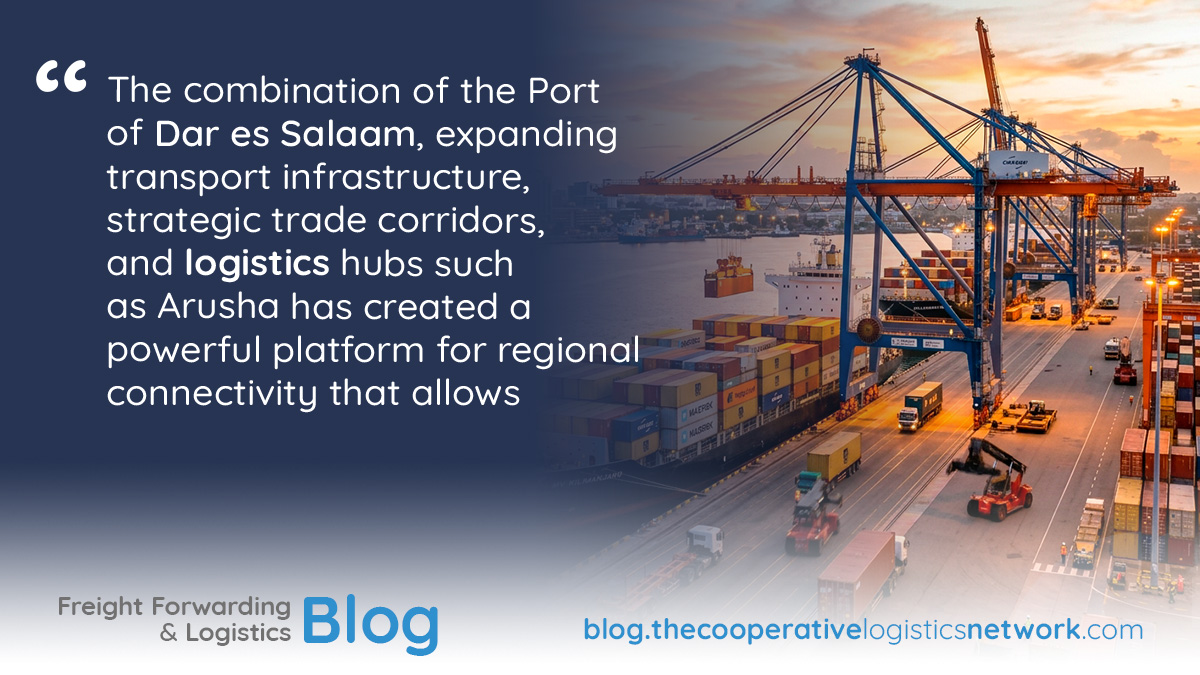
The combination of the Port of Dar es Salaam, expanding transport infrastructure, strategic trade corridors, and logistics hubs such as Arusha has created a powerful platform for regional connectivity. Together, these assets allow Tanzania to serve not only its own economy but also the needs of six landlocked African markets.
For freight forwarders, shippers, and international businesses, understanding the strategic role of Tanzania logistics is essential. What begins at the Port of Dar es Salaam often extends far beyond Tanzania’s borders, helping connect some of Africa’s most dynamic and promising markets to the global economy.