

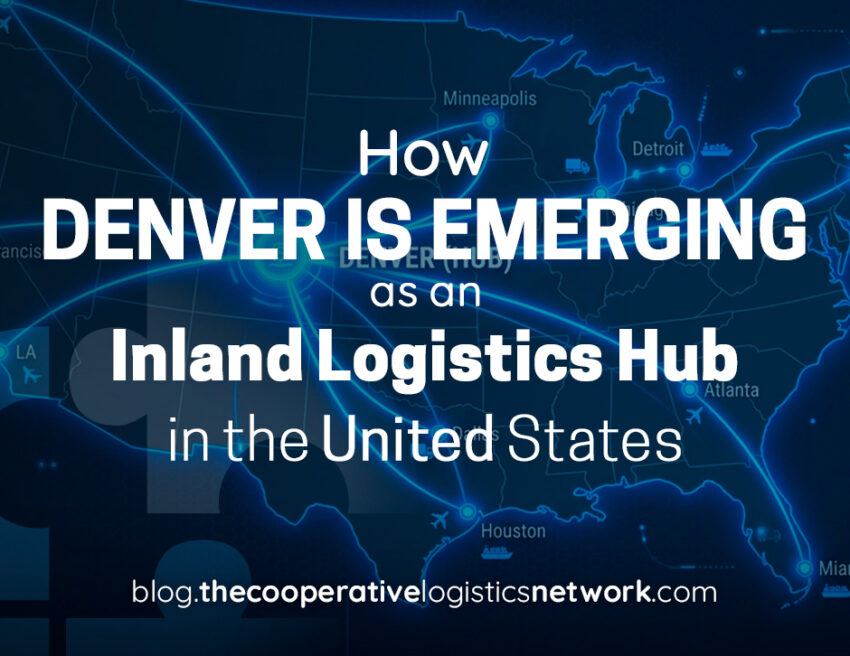
Supply chains across the United States are changing rapidly. Businesses are reevaluating sourcing strategies, distribution models, transportation planning, and inventory positioning as global trade becomes increasingly dynamic. Port congestion, shifting freight patterns, e-commerce growth, and rising customer expectations are all contributing to a broader transformation in how cargo moves across the country. Within this evolving environment, logistics Denver operations are gaining growing attention from freight forwarders, distributors, manufacturers, and supply chain planners alike.
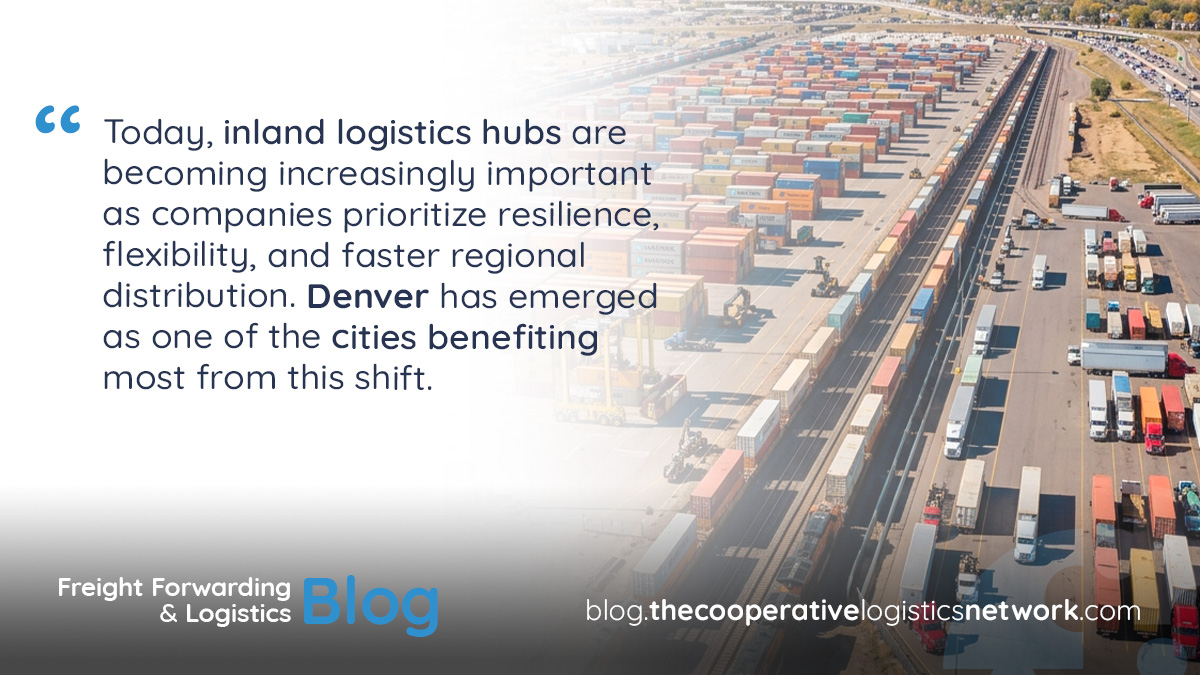
For many years, coastal gateways dominated logistics conversations because of their direct access to international trade routes. Today, inland logistics hubs are becoming increasingly important as companies prioritize resilience, flexibility, and faster regional distribution. Denver has emerged as one of the cities benefiting most from this shift.
Denver, which lies at the crossroads of major east-west and north-south transportation corridors, offers freight forwarders access to a highly connected inland logistics environment supported by rail freight, interstate trucking, warehousing infrastructure, and air cargo operations. As supply chains continue diversifying across the United States, the city is strengthening its position as a strategic inland freight hub capable of supporting increasingly complex cargo flows.
Why Inland Logistics Hubs Are Becoming More Important
The modern supply chain environment places enormous pressure on transportation networks. Businesses want faster delivery times, stronger inventory visibility, and greater flexibility when disruptions affect major ports or trade corridors. This has increased the importance of inland logistics centers that can support regional distribution while reducing dependence on heavily congested coastal gateways. Inland hubs allow companies to position inventory closer to multiple regional markets while improving transportation flexibility. Distribution centers connected to major interstate highways, rail infrastructure, and air cargo facilities can support faster cargo movement across broad geographic regions.
This shift has accelerated alongside the growth of e-commerce and omnichannel distribution. Companies increasingly rely on strategically positioned inland warehouses to shorten delivery times and improve inventory management. As a result, cities with strong transportation connectivity and available industrial space are becoming increasingly attractive for logistics investment.
Logistics operations in Denver fit naturally into this evolving landscape. The city’s location allows freight to move efficiently across the Mountain West while connecting major markets throughout the Midwest, Southwest, and West Coast regions. This positioning creates important operational advantages for freight forwarders managing domestic and international cargo distribution.
Logistics Denver and the Advantage of Strategic Geography
One of Denver’s biggest strengths is its geographic position. Located near the center of the western United States, the city functions as an important inland transportation bridge linking multiple regional markets and national freight corridors. Cargo moving through Denver can efficiently access states such as Arizona, Utah, New Mexico, Kansas, Nebraska, Wyoming, and Texas while also maintaining strong connectivity to West Coast markets, including California, Washington, and Oregon. This makes Denver especially valuable for regional distribution operations requiring broad geographic reach.
Interstate highways play a major role in supporting this connectivity. Major transportation corridors such as Interstate 25 and Interstate 70 intersect near Denver, creating direct north-south and east-west freight access across large portions of the United States. For trucking companies and freight forwarders, this improves routing flexibility and supports efficient inland transportation planning.
The city also benefits from growing warehouse development and industrial real estate expansion. Distribution facilities throughout the Denver metropolitan area continue expanding as businesses seek inland logistics locations capable of supporting national fulfillment operations and regional cargo distribution.
Logistics operations in Denver are increasingly tied to broader trends surrounding supply chain resilience and decentralized distribution models. Companies are no longer relying exclusively on coastal inventory concentration. Instead, they are developing more distributed logistics networks that improve operational adaptability while supporting faster market access.
Rail Freight and Multimodal Transportation Continue to Expand
Rail freight continues to play an important role in Denver’s logistics relevance. The city maintains strong connections to major Class I rail networks that support cargo movement across North America. Rail infrastructure has become increasingly valuable as businesses seek transportation options capable of balancing cost efficiency, capacity management, and supply chain flexibility.
Intermodal transportation is growing particularly important in modern logistics planning. Combining trucking, rail freight, and air cargo allows companies to optimize transportation strategies based on shipment urgency, cargo type, and market conditions. Freight forwarders increasingly rely on multimodal solutions to improve distribution flexibility while reducing exposure to disruptions affecting individual transportation modes.
Denver’s rail connectivity supports industrial cargo, consumer goods distribution, project cargo logistics, and intermodal container transportation throughout the western and central United States. Inland rail terminals and warehouse facilities contribute to smoother cargo transfers between transportation modes while improving regional freight coordination.
Multimodal transportation also supports stronger supply chain resilience. When congestion, weather disruptions, or operational bottlenecks affect one transportation channel, businesses with flexible multimodal networks can adapt more effectively. This flexibility is becoming increasingly valuable in today’s highly dynamic logistics environment.
Air Cargo Growth Is Strengthening Denver’s Logistics Position
Air cargo operations are also contributing to Denver’s growing logistics importance. Denver International Airport has evolved into one of the busiest airports in the United States, supporting both passenger traffic and expanding cargo operations. Air freight remains especially important for industries requiring time-sensitive transportation such as electronics, pharmaceuticals, medical equipment, aerospace components, and e-commerce distribution. Faster cargo movement and reliable air connectivity help businesses maintain inventory flexibility while supporting tighter production schedules and customer delivery expectations.
Denver’s central location provides operational advantages for domestic air cargo distribution as well. Shipments can move relatively efficiently between major US markets, making the city increasingly attractive for regional fulfillment and time-critical freight coordination. As supply chains become more responsive and customer expectations continue evolving, air cargo infrastructure will likely play an even larger role in supporting inland logistics hubs like Denver.
Warehousing and Distribution Activity Continue to Expand
Warehouse development throughout the Denver region reflects the city’s growing importance within US logistics networks. Companies across retail, manufacturing, e-commerce, healthcare, and industrial sectors continue expanding distribution operations throughout the metropolitan area. Modern warehousing now involves far more than storage alone. Distribution centers increasingly function as integrated logistics hubs supporting inventory management, fulfillment operations, cargo consolidation, and regional transportation coordination.
E-commerce growth has accelerated demand for strategically located warehouse facilities capable of supporting faster delivery timelines across western and central US markets. Businesses are actively reevaluating inventory positioning to improve responsiveness while maintaining supply chain flexibility.
Denver’s industrial real estate market continues attracting logistics investment due to the combination of transportation access, available land, labor availability, and regional market connectivity. This growth supports freight forwarders handling domestic distribution, inbound imports, project cargo logistics, and specialized freight operations.
Why International Logistics Partnerships Matter
Even as inland logistics hubs grow more important, supply chains remain deeply global. Components, raw materials, industrial equipment, and finished products continue moving across international markets before reaching inland distribution centers across the United States. For freight forwarders operating in Denver, strong international partnerships are becoming increasingly important for maintaining efficient cargo coordination and supply chain visibility. This is where joining a global network like The Cooperative Logistics Network creates significant operational value.
The Cooperative Logistics Network allows forwarders to extend their reach beyond regional operations, working with trusted partners who understand the demands of specialised cargo and time-sensitive execution. It strengthens the ability to manage complex, multi-country shipments with confidence and reliability.
Capped Territories
The Cooperative Logistics Network maintains a controlled number of members per city, including key hubs such as Bergen. This approach supports stronger visibility within the network and creates a focused environment for collaboration. International partners seeking a reliable agent in Denver connect with a select group of forwarders, opening the door to more inbound shipments and long-term partnerships within offshore and energy logistics.
Building a Strong Global Presence
The Cooperative Logistics Network brings together more than 360 carefully selected freight forwarders across over 140 countries, creating a structured framework for global coordination. This ensures that shipments remain in capable hands at every stage, supported by partners who understand the operational demands of energy logistics.
Access to Project Cargo Opportunities
The Cooperative Logistics Network encourages active collaboration among its members, creating opportunities to participate in project cargo movements, share expertise, and engage in new business across international markets.
Strengthening Relationships Through Annual Meetings
Freight forwarding continues to rely on direct relationships, particularly in sectors where precision and trust shape outcomes. The network’s Annual Meetings provide a structured setting for one-to-one discussions with partners from around the world. For companies operating through Denver, these meetings create opportunities to align expectations, exchange operational insights, and build partnerships that support consistent project execution.
A Network that Works Alongside You
The Cooperative Logistics Network offers continuity through an active head office that supports members throughout the process. From facilitating communication between partners to addressing operational challenges, the network provides a structured layer of support that helps maintain alignment across shipments. In situations where disputes arise, the head office plays a direct role in guiding resolution, ensuring that issues are handled efficiently and relationships remain intact.
Visibility also plays a growing role in international freight forwarding. The network supports its members through ongoing marketing and PR initiatives designed to strengthen their presence within the global logistics community. Company features, newsletters, digital campaigns, and industry-focused content create consistent exposure, helping members position themselves as reliable partners in specialised sectors.
The Future of Inland Logistics Will Depend on Flexibility
The role of inland logistics hubs within US supply chains will likely continue expanding over the coming years. Businesses are prioritizing resilience, transportation flexibility, and diversified distribution strategies as global trade patterns continue evolving. Denver’s strategic geography, multimodal transportation infrastructure, rail connectivity, warehousing growth, and expanding air cargo operations position the city well within this transformation. Freight forwarders operating in the region increasingly support supply chains that require agility, coordination, and efficient inland cargo movement across broad geographic markets.
As logistics networks become more interconnected, the future of freight forwarding will depend heavily on adaptability and operational flexibility. Inland logistics hubs like Denver are becoming central to that future, helping businesses build supply chains capable of responding more effectively to changing market conditions while supporting long-term growth across the United States.