

For freight forwarders in Kolkata, Southeast Asia is no longer a secondary trade lane. It is fast becoming one of the most practical and strategic directions for expansion. With growing regional trade, shorter transit routes, and improving port connectivity, forwarders in Eastern India are in a position that many others are trying to replicate. What’s changing is not just volume. It’s accessibility. And for those who understand how to navigate it, Southeast Asia is one of the easiest regions to scale into today.
Why Southeast Asia Makes Sense for Freight Forwarders in Kolkata
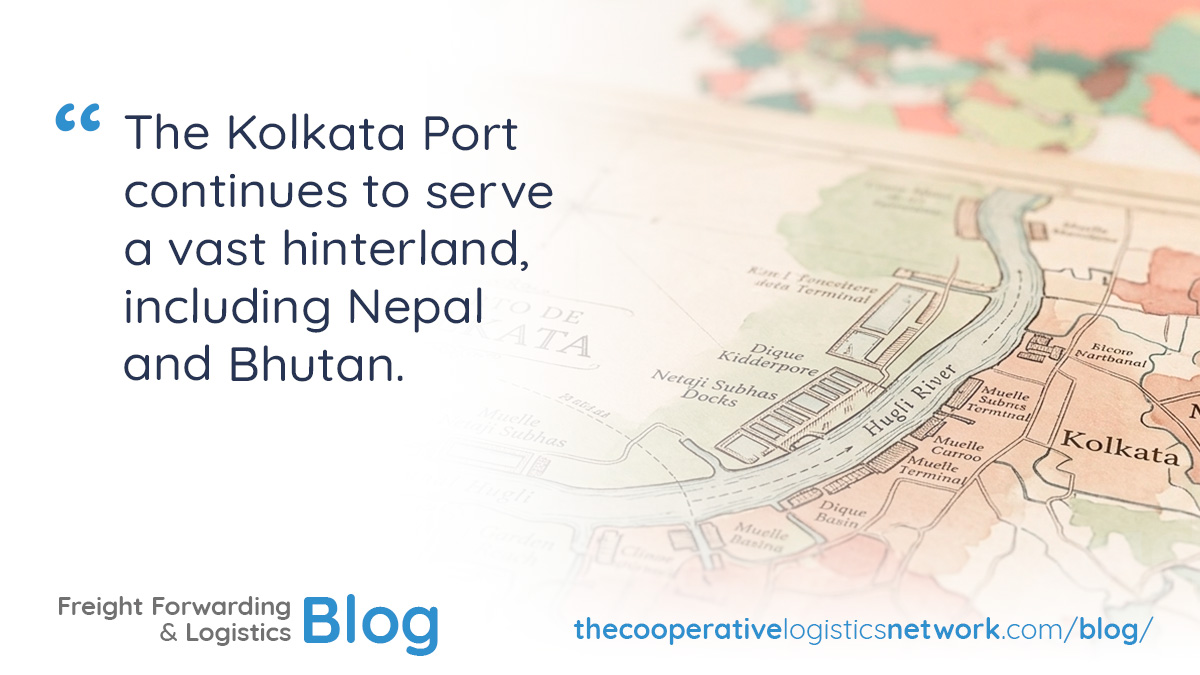
The geographic advantage is obvious, but it goes deeper than that. The Kolkata Port has historically been a major gateway for trade across Asia and continues to serve a vast hinterland including Eastern and Northeastern India, as well as neighboring countries like Nepal and Bhutan. Today, that role is evolving again. Recent developments show a clear push toward stronger connections with Southeast Asia. Direct and weekly services linking the Haldia Dock Complex with ports like Port Klang and Yangon are already improving efficiency and reducing transit complexity. At the same time, authorities are actively exploring more direct routes to Southeast Asian markets, building on successful services to China that have already reduced transit time and costs. What this really means is that forwarders in Kolkata are now closer to Southeast Asia operationally, not just geographically.
Freight Forwarders in Kolkata: Shipping to Southeast Asia
For freight forwarders in Kolkata, shipping to Southeast Asia has become easier due to three key shifts.
1. Improved direct connectivity
Direct weekly services reduce reliance on transshipment hubs. This cuts down both transit time and uncertainty, especially for time-sensitive cargo.
2. Diverse cargo compatibility
Kolkata handles a wide range of cargo—tea, jute, engineering goods, chemicals, and project cargo—which aligns well with Southeast Asian demand patterns.
3. Regional trade alignment
India’s “Act East” focus and growing trade ties with Southeast Asia are pushing more cargo in that direction. Forwarders who align early gain an advantage.
Where Things Still Get Complicated
While the opportunity is real, it’s not friction-free. Kolkata operates as a riverine port along the Hooghly, which brings certain operational constraints. Draft limitations restrict vessel size, and weather conditions like monsoons can impact scheduling. Then there’s documentation and coordination. Southeast Asia is not a single market but a mix of regulatory environments, customs practices, and port efficiencies. What works for Malaysia may not work for Myanmar or Vietnam. This is where many forwarders hit a ceiling. Not because demand is lacking, but because execution becomes inconsistent across borders.
The Real Differentiator: Network Strength
Here’s the part that doesn’t get talked about enough. Two forwarders may offer the same service from Kolkata to Southeast Asia. Same route. Same pricing structure. But outcomes can look very different. Why? Because the real difference lies in who they are working with at destination.
- Is the partner responsive?
- Do they understand local compliance?
- Can they handle exceptions without delays?
Without reliable partners on the ground, even a well-planned shipment can unravel. This is why more forwarders are shifting from transactional partnerships to structured collaboration.
Why Joining a Reliable Logistics Network Matters
For freight forwarders operating through Kolkata Port, expanding into international trade lanes requires more than local expertise. As connections with Southeast Asia and neighboring markets continue to grow, the challenge lies in managing shipments consistently across multiple countries, each with its own regulations, handling standards, and operational realities. In this environment, having dependable global partners becomes a key factor in maintaining service quality. This is where joining a network like The Cooperative Logistics Network becomes a practical advantage. It helps Kolkata-based forwarders strengthen their international reach, build credibility across markets, and handle cross-border shipments with greater reliability.
Capped Territories
The Cooperative Logistics Network limits the number of members per city, maintaining a controlled presence even in major logistics hubs. For a forwarder based in Kolkata, this means reduced internal competition and stronger visibility within the network. International partners looking for a reliable agent in Kolkata have a focused set of options, which increases your chances of securing inbound shipments and long-term collaborations.
Build a Strong Global Presence
Shipments moving through Kolkata often involve coordination across Southeast Asia, the Middle East, and beyond. The Cooperative Logistics Network connects you with more than 360 carefully vetted freight forwarders, not just across Southeast Asia but in over 140 countries worldwide. This ensures that your cargo is handled by experienced and reliable partners at every stage. Instead of relying on unfamiliar contacts, you gain access to a structured global network that understands the complexities of international freight forwarding.
Access to New Project Opportunities
As trade volumes through Kolkata Port continue to expand, forwarders are seeing increasing demand for reliable international services. The Cooperative Logistics Network encourages collaboration among its members, creating a steady flow of shipment opportunities, leads, and project cargo. For Kolkata-based companies, this opens access to new business across key trade lanes without requiring a physical presence in those markets.
Meet Partners Face-to-Face at Annual Meetings
Freight forwarding still runs on relationships. The network’s Annual Meetings provide a structured environment for one-to-one meetings with partners from around the world. For forwarders in Kolkata, this is an opportunity to build direct connections with agents in strategic markets, discuss operational expectations, and develop long-term partnerships that support consistent execution.
Turning Opportunity into Repeat Business
Shipping once to Southeast Asia is easy. Building a consistent trade lane is not. The difference lies in repeatability. Clients don’t just want a shipment delivered. They want predictability. They want to know that the next shipment will move just as smoothly as the last.
For freight forwarders in Kolkata, this means:
- Standardizing processes across partners
- Ensuring visibility across the shipment lifecycle
- Reducing dependency on ad hoc arrangements
This is where structured networks again play a role. They don’t just connect you to partners, they help you maintain a consistent service standard across markets.
Looking Ahead
The trajectory is clear. Kolkata is strengthening its position as an eastern gateway, with increasing cargo volumes, new infrastructure investments, and expanding international connections. At the same time, Southeast Asia continues to grow as a trade partner for India, driven by manufacturing shifts, regional trade agreements, and evolving supply chains. For freight forwarders in Kolkata, this creates a window. Shipping to Southeast Asia is becoming easier. But scaling it reliably still depends on how well you manage partnerships across borders. The forwarders who get this right don’t just move cargo. They build trade lanes that last. And increasingly, they don’t do it alone.