

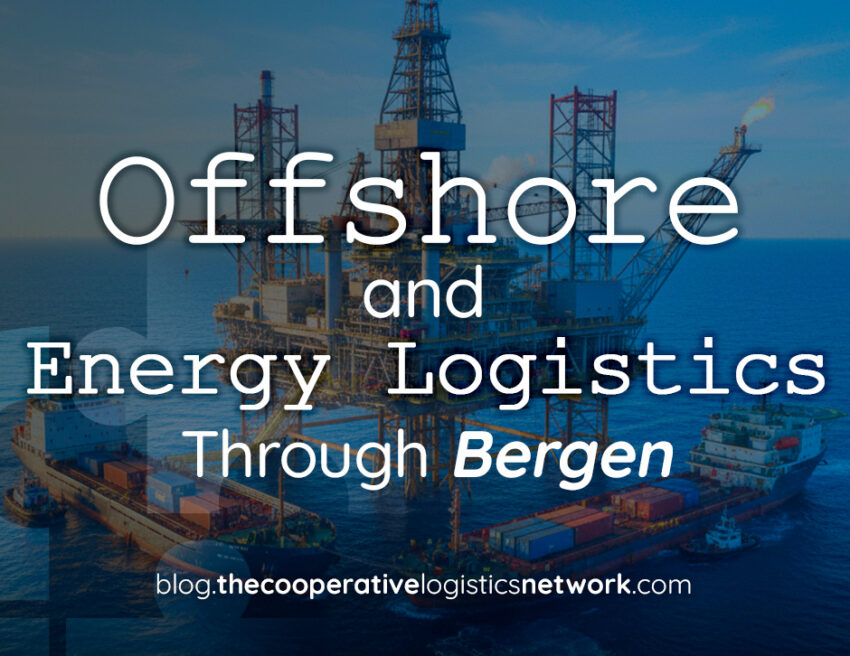
Some cargo follows predictable routes and flexible timelines. Offshore and energy logistics operates in a different space, where each movement aligns with tightly defined schedules and operational dependencies. Equipment moves not just to reach a destination, but to meet installation windows, vessel availability, and project timelines that shape offshore operations. In Bergen, this level of precision finds a natural base through the Port of Bergen, a hub that supports complex energy supply chains across the North Sea and beyond.
Bergen’s Strategic Position in the North Sea Energy Network
Bergen’s importance in offshore and energy logistics begins with geography, yet its influence extends far beyond location alone. Situated along Norway’s western coastline, the city provides direct access to the North Sea, one of the most active regions for offshore oil, gas, and renewable energy projects. This proximity allows cargo to move efficiently between onshore facilities and offshore installations, supporting continuity across energy operations.
Bergen’s position in modern offshore and energy logistics reflects more than geography alone. The city’s role as a trading hub stretches back centuries, shaped in part by its connection to the Hanseatic League, a network that linked Northern Europe through structured maritime trade. Goods once moved through Bergen in carefully coordinated flows, building commercial relationships that extended across borders. While the cargo has shifted from stockfish and essential commodities to subsea equipment and energy infrastructure, the underlying principle remains consistent. Bergen continues to function as a point where regional expertise connects with international trade networks.
Over time, this geographical and historical foundation has shaped a robust logistics ecosystem. Bergen connects ports, supply bases, vessel operators, engineering firms, and service providers into a tightly integrated network. Offshore platforms rely on consistent resupply, maintenance equipment, and specialised components, all of which pass through logistics hubs designed to support complex operations. Bergen stands at the center of this system, linking global suppliers with offshore destinations that depend on accuracy and timing.
The Nature of Cargo in Offshore and Energy Logistics
Cargo moving through offshore and energy logistics rarely fits standard dimensions or handling procedures. Shipments often include subsea equipment, drilling components, pipelines, structural modules, and high-value machinery designed for offshore applications. Each item carries technical specifications that influence how it is transported, handled, and delivered.
Weight and size play a defining role in planning these movements. Heavy-lift cargo requires specialised cranes, reinforced handling areas, and detailed load calculations. Irregular shapes call for tailored securing methods that ensure stability throughout transit. Many shipments also involve sensitive equipment that requires controlled handling conditions while in port and during transport.
Timing remains central to offshore and energy logistics. Offshore operations follow structured schedules, where equipment arrives in sequence to align with installation phases. A delay at any stage influences vessel deployment and project timelines, making reliability a defining factor. Every movement through the port contributes to a broader operational framework that depends on coordination across multiple points.
Infrastructure and Capabilities at the Port of Bergen
The Port of Bergen has developed infrastructure aligned with the demands of energy logistics. Heavy-lift capabilities, specialised terminals, and dedicated logistics zones provide the foundation for handling complex cargo. The port’s integration with nearby supply bases strengthens its role as a staging point, where shipments are prepared and aligned with offshore schedules.
Storage and pre-assembly form an important part of this process. Equipment often arrives from multiple origins and requires consolidation before moving offshore. Port facilities support inspection, preparation, and temporary storage, ensuring that cargo meets operational requirements before departure. This level of readiness supports efficient vessel turnaround and maintains alignment with offshore timelines.
Connectivity extends beyond the port itself. Bergen’s links to inland transport networks allow cargo to move efficiently between production sites and port facilities. Road and short-sea connections contribute to a logistics chain that supports both domestic and international energy supply flows.
Coordination as the Core of Offshore Logistics
Offshore and energy logistics operates through coordination that connects multiple stakeholders across different regions. Freight forwarders, shipping lines, port authorities, customs agencies, and offshore operators all contribute to the movement of cargo. Each stage depends on accurate information, timely execution, and alignment with the overall project schedule.
The Port of Bergen functions as a central point where these interactions come together. Vessel schedules align with cargo readiness, documentation processes move alongside physical handling, and transport arrangements connect directly with offshore deployment plans. This level of coordination supports efficiency across the entire supply chain. Communication plays a defining role in maintaining this alignment. Real-time updates, structured documentation, and proactive planning help ensure that all parties remain connected. Offshore operations depend on this clarity, as even small disruptions can influence broader timelines.
Environmental and Operational Conditions in Western Norway
The physical environment surrounding Bergen shapes offshore and energy logistics in distinct ways. Fjords create narrow navigation routes that require precise vessel handling, while mountainous terrain influences inland transport options. Weather patterns shift quickly, affecting sailing schedules and port operations. These conditions create a logistics environment where planning and adaptability work together. Port operations align with weather forecasts, vessel availability, and cargo readiness to ensure that shipments move within optimal windows. Experience in managing these variables supports consistency and reliability in offshore logistics.
The Shift Toward Renewable Energy Logistics
Bergen’s role in offshore and energy logistics continues to evolve as the energy sector expands into renewable sources. Offshore wind projects are gaining momentum across Northern Europe, introducing new cargo types and logistics requirements. Wind turbine components, including blades, towers, and foundations, require large-scale handling and coordinated transport planning.
This transition builds on existing expertise while introducing new dimensions of complexity. Larger components, extended project timelines, and evolving infrastructure needs shape the future of energy logistics. The Port of Bergen remains positioned to support this shift, drawing on its established capabilities in handling specialised cargo.
Sustainability also plays an increasing role in logistics operations. Environmental considerations influence vessel activity, port processes, and supply chain planning. Bergen’s focus on efficient and responsible logistics aligns with broader industry trends that integrate sustainability into operational performance.
The Role of Freight Forwarders in Complex Energy Supply Chains
Within offshore and energy logistics, freight forwarders contribute expertise that connects each stage of the supply chain. Planning shipments involves understanding cargo specifications, aligning timelines, and coordinating across multiple stakeholders. Documentation, compliance, and transport sequencing all form part of this process.
Freight forwarders operating through Bergen engage with a logistics environment that values precision and reliability. Each shipment reflects a combination of technical knowledge and operational coordination, ensuring that cargo moves in line with offshore requirements. Experience in managing complex logistics scenarios strengthens the ability to deliver consistent results in a demanding sector.
Building Global Connections Through Freight Forwarders Networks
For freight forwarders operating through Bergen, expanding into international offshore and energy logistics requires more than local expertise. Shipments linked to the North Sea often extend across multiple countries, involving manufacturers, project sites, and offshore installations that depend on precise coordination. Each stage brings its own regulations, handling requirements, and operational expectations. In this environment, maintaining consistency across borders becomes a defining factor in service quality. This is where structured global partnerships make a tangible difference. Being part of a network like The Cooperative Logistics Network allows Bergen-based forwarders to extend their reach beyond regional operations, working with trusted partners who understand the demands of specialised cargo and time-sensitive execution. It strengthens the ability to manage complex, multi-country shipments with confidence and reliability.
Capped Territories
The Cooperative Logistics Network maintains a controlled number of members per city, including key hubs such as Bergen. This approach supports stronger visibility within the network and creates a focused environment for collaboration. International partners seeking a reliable agent in Bergen connect with a select group of forwarders, opening the door to more inbound shipments and long-term partnerships within offshore and energy logistics.
Building a Strong Global Presence
Offshore and energy logistics rarely operates within a single region. Cargo moving through Bergen often connects with supply chains across Europe, Asia, and the Americas. The Cooperative Logistics Network brings together more than 360 carefully selected freight forwarders across over 140 countries, creating a structured framework for global coordination. This ensures that shipments remain in capable hands at every stage, supported by partners who understand the operational demands of energy logistics.
Access to Project Cargo Opportunities
Energy logistics continues to generate complex, high-value shipments that require specialised handling and coordination. The Cooperative Logistics Network encourages active collaboration among its members, creating opportunities to participate in project cargo movements, share expertise, and engage in new business across international markets. For forwarders based in Bergen, this expands access to global energy projects without requiring a physical presence in every location involved.
Strengthening Relationships Through Annual Meetings
Freight forwarding continues to rely on direct relationships, particularly in sectors where precision and trust shape outcomes. The network’s Annual Meetings provide a structured setting for one-to-one discussions with partners from around the world. For companies operating through Bergen, these meetings create opportunities to align expectations, exchange operational insights, and build partnerships that support consistent execution in offshore and energy logistics.
A Network that Works Alongside You
The Cooperative Logistics Network offers that continuity through an active head office that supports members throughout the process. From facilitating communication between partners to addressing operational challenges, the network provides a structured layer of support that helps maintain alignment across shipments. In situations where disputes arise, the head office plays a direct role in guiding resolution, ensuring that issues are handled efficiently and relationships remain intact.
Visibility also plays a growing role in international freight forwarding. The network supports its members through ongoing marketing and PR initiatives designed to strengthen their presence within the global logistics community. Company features, newsletters, digital campaigns, and industry-focused content create consistent exposure, helping members position themselves as reliable partners in specialised sectors such as offshore and energy logistics.
A Logistics Hub Defined by Precision
Offshore and energy logistics through Bergen reflects a system where every movement contributes to a larger operational picture. The Port of Bergen serves as a central point where cargo, vessels, and expertise come together to support energy operations that depend on accuracy and timing.
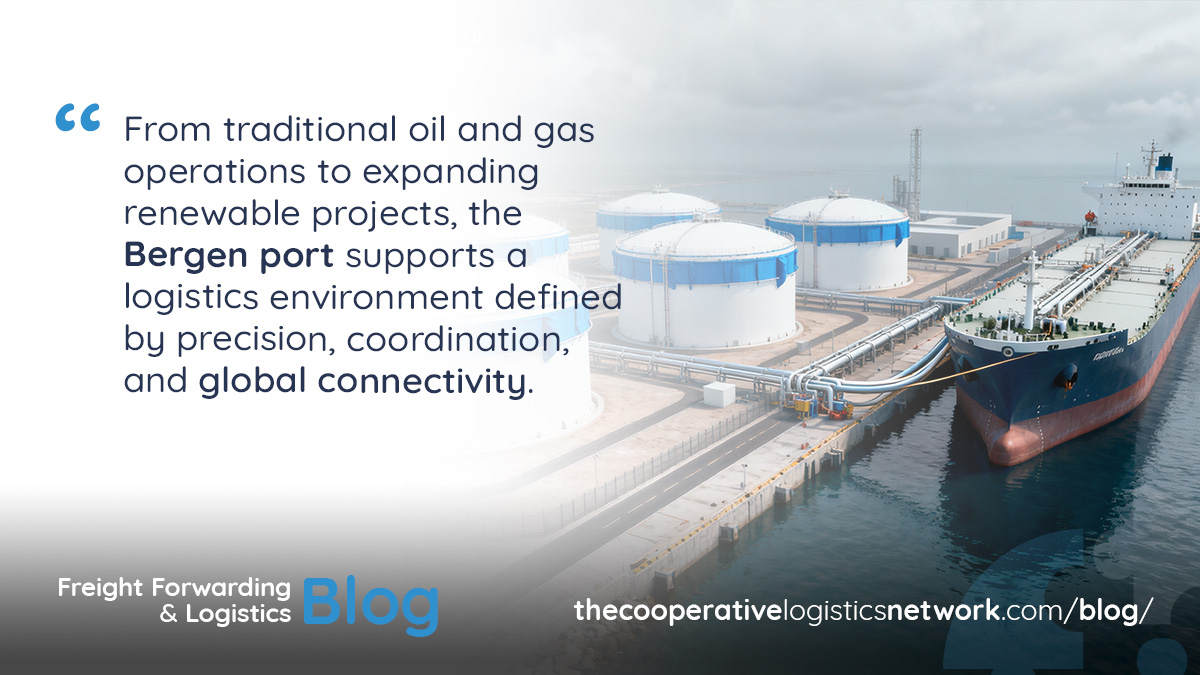
As the energy sector continues to evolve, Bergen’s role remains closely tied to its ability to manage complexity. From traditional oil and gas operations to expanding renewable projects, the port supports a logistics environment defined by precision, coordination, and global connectivity. For companies operating within this space, the focus extends beyond moving cargo to ensuring that every shipment aligns with the demands of a sector where timing and reliability shape outcomes.